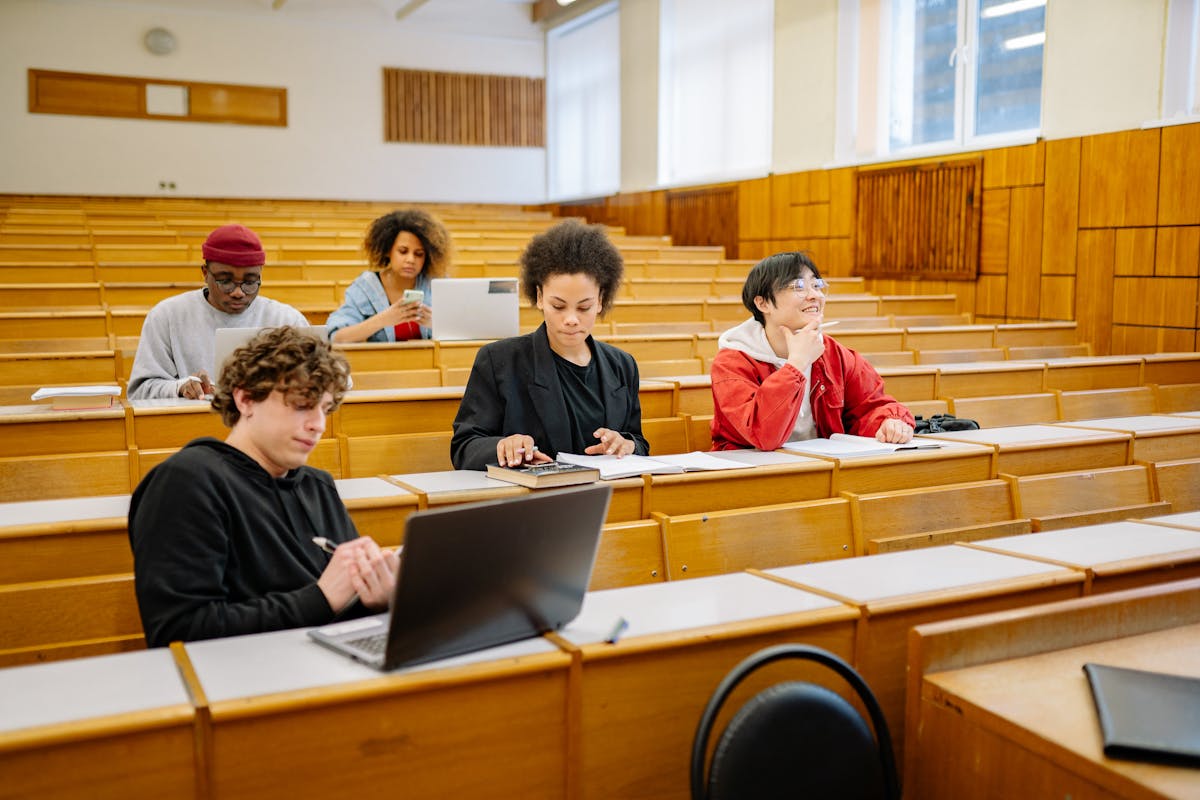
Think a little about your classroom experience. What was the student-teacher dynamic like? How was knowledge disseminated and content presented? Did you feel part of active teaching methodologies?
Unfortunately, most of the time, the answer is no.
The teaching method we are familiar with, in which the teacher occupies the role of holder of knowledge, that is, the one who will transmit to the student everything that he or she should know and understand, has proven to be obsolete and inefficient over the years.
Numerous scholars have demonstrated the importance of considering a transformative education—the kind Paulo Freire identified as liberating—where the dream of the oppressed would be to break free from the shackles that bind them to ignorance and a lack of critical thinking, relegating them to the domain of those with access to better intellectual conditions.
The purest truth is: knowledge is power! When we are equipped with our own ability to learn and understand the world around us, we can positively influence our lives and the lives of those around us.
In this article, we will show how active methodologies have revolutionized the field of knowledge, placing the student at the center of their learning and making the teacher a mediator in the pursuit of knowledge sharing.
But what exactly are active methodologies?
This term was brought to light by psychiatrist and mental health education researcher William Glasser. In this proposal, the idea of education is no longer centered on the teacher as the sole possessor of knowledge.
Active methodologies propose a reversal of the teaching-learning process, where the student is an active agent in the pursuit of constructing their own knowledge.
In this approach, the teacher is there to provoke discussions about contemporary issues, the students' lifestyles, and their realities, proposing a cross-curricular teaching method based on subjects we are familiar with, such as biological sciences, geography, mathematics, etc.
In this version, the student will have to discover how their learning works and how they can contribute to the world around them. In these cases, it is very common for teachers/facilitators to provoke discussions through problems and projects that will be developed by the students over a specific period of time.
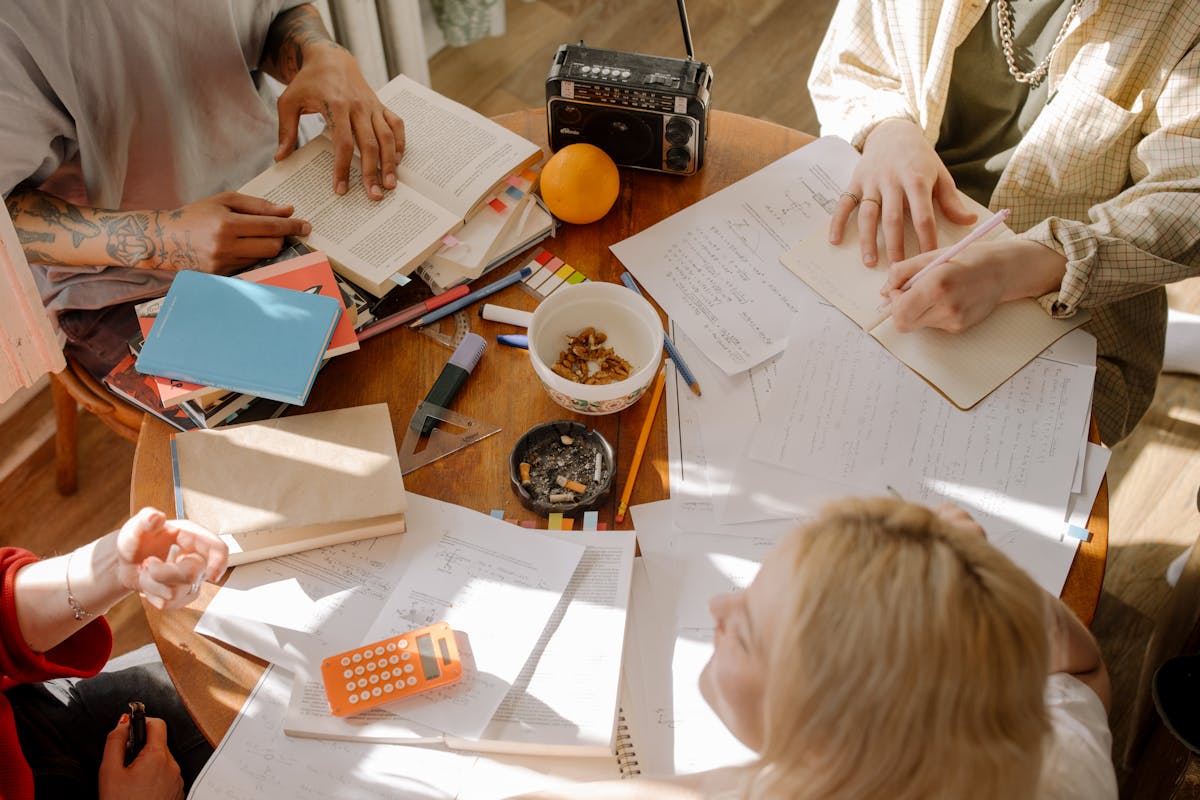
In these opportunities, students should challenge themselves to express opinions, argue, question, and together arrive at possible solutions to the proposed situations.
This is a very interesting methodology, as it can encompass many of the current resources that students already have access to in their daily lives, such as technology. This can be achieved through the use of the internet, analysis of films and series, podcasts, movies and soap operas, and even newspapers, especially those from the city to which the students belong.
Some of the main current active methodologies
-
Flipped classroom (the student as the protagonist);
-
Gamification (with the proposal of games and rewards);
-
Hybrid teaching (making use of technologies);
-
Seminars and Discussions (opportunities for critical discussion of various topics).
Why does this process benefit the students?
Active learning methodologies benefit students in several ways. The first is the opportunity to give them a voice and show them that, as citizens, they have a fundamental role in the society in which they live.
Furthermore, active learning methodologies show students that their decisions and actions influence their daily lives and the lives of their friends and family. It's a good way to ensure that the subjects we traditionally learn are fully understood through everyday examples.
Active learning methodologies promote critical thinking, which reinforces the student's commitment to always being mindful of their attitudes and the importance of learning and studying in their life.
How do active learning methodologies benefit the teacher's work?
For the teacher, active learning methodologies are extremely important and valuable. They will challenge:
-
His ability to mediate;
-
His understanding of reality and that of his students;
-
His ability to develop educational devices;
-
Their ability to always remain aware of their time and surroundings (because in this way, they will always continue learning and modernizing).
With these skills, the teacher will be able to speak the language of their school community and will always be up-to-date on technologies and their possibilities.
Furthermore, it can have a real impact on the lives of each of its students, who will be trained not only for the job market, but also to contribute to the society around them.
I'm a teacher, how can I implement active learning methodologies in my classes?
Perhaps the best advice is: start small!
Currently, we are aware of the conservatism that most institutions have regarding the education system, which is why we see it being repeated incessantly, trapping educators in this endless loop.
Give them the opportunity to take on prominent roles. Challenge them with questions and doubts that reflect the conditions in which they live. Think about how the content of your subject can relate to these realities and create your teaching strategy from there.
Reverse the classroom dynamic so that students take the lead in speaking and talk about things they know and enjoy. Organize seminars, debates, fairs, etc. Invite classes to engage in dialogue with each other.
But above all, be prepared for diversity. Being a teacher means understanding that students are surrounded by different realities and that many will not adapt to your approach initially; persevere and don't get discouraged by adversity.
Don't forget your role in this journey. Always remember that you are the rudder steering the ship of your student project, so students need to feel secure and understand the steps they are going through.
Be clear, honest, firm, and professional. You can be a friend to your students, but you must understand the importance of your role as a role model and guide.
I've implemented the changes and I'm having difficulties, what now?
They say that a teacher is always a student, so it's important that you be a tireless researcher. Keep investing in your knowledge, exchange ideas with other teachers who have the same goal as you.
Don't be afraid to make mistakes; they will make you more experienced and show you the right path next time. Know that your students will recognize your effort and learn from your dedication and courage.
Now, a very important step: as a researcher, you must share your experiences with the academic community.